
Revitalize Your Garden: Essential Tips for Trimming Fruit Trees
Trimming fruit trees is not just about keeping your garden tidy; it’s about enhancing the health and productivity of your trees. Proper pruning ensures your fruit trees grow strong and bear bountiful harvests. Let’s walk through some key things to consider when identifying when should you trim trees.
Know the Best Time to Trim
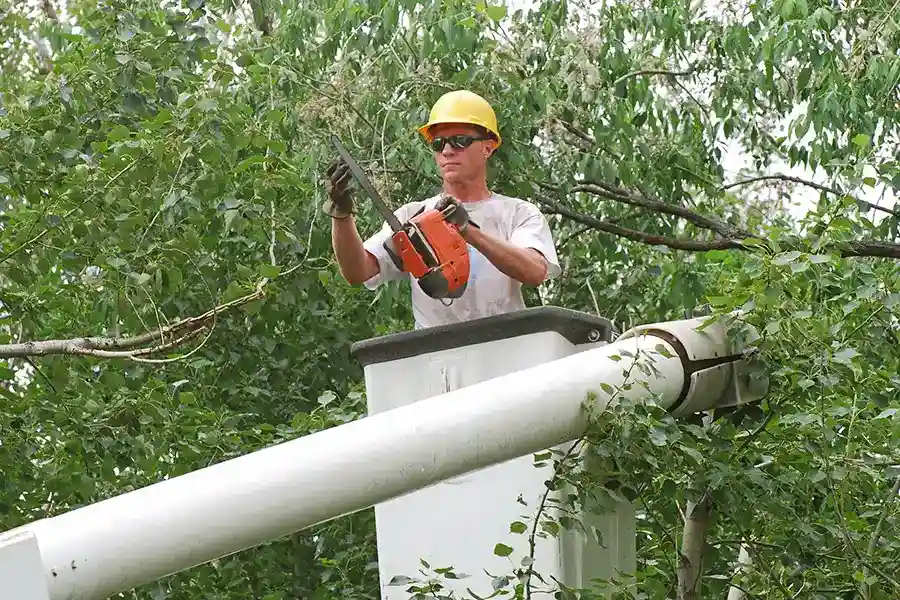
Timing is crucial when it comes to pruning fruit trees. Generally, late winter or early spring is ideal, just before new growth starts. This timing helps prevent diseases and allows for vigorous spring growth.
Understand Tree Anatomy
Identify which branches to trim and which to leave. Focus on removing any dead, damaged, or diseased branches first to maintain tree health. Also, thin out areas that are overly dense to improve sunlight exposure and air circulation throughout the tree.
Use the Right Tools
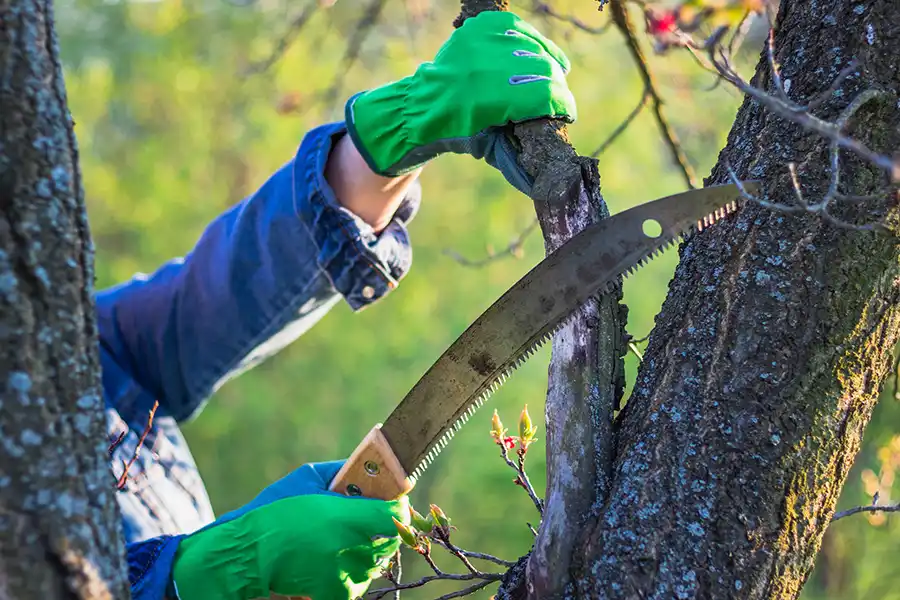
Equip yourself with the right tools for effective trimming. Sharp, clean pruning shears, loppers, and a pruning saw are essential. Clean cuts help prevent disease and encourage faster healing.
Pruning Techniques
Start with major cuts to remove large branches, if necessary, then focus on shaping the tree. Maintain the tree’s natural form while encouraging the growth of strong, productive branches. Avoid over-pruning, as this can stress the tree and reduce fruit production.
Aftercare
After tree trimming, take care of the tree to ensure it recovers well and thrives. Apply a suitable wound dressing to large cuts to protect them from pests and diseases. Mulch around the base and consider seasonal fertilization to support new growth.
When Should You Trim Trees? Ask the Experts!
Properly trimming your fruit trees can significantly affect their health and fruit yield. If you’re unsure about when should you trim trees in Hartford, CT, don’t hesitate to turn to A & H Lawn Care Corp. Dial (860) 776-5297 to book my services!